

Installation Speakers
Permanent loudspeaker systems sit quietly in countless buildings, carrying music and speech every day.Read More
-
 In stockPD PDCS403A Wall Mounted Active Column Speaker - Black - 260W£269.99
- Compact vertical design with integrated Class D amplifier
- Features 4 x 3" bass drivers and 1" neodymium tweeter
- Balanced XLR/TRS input with dedicated XLR output
- Selectable high-pass filter for versatile use
- Wide-angle sound dispersion with robust SPL output
In stockIn stock -
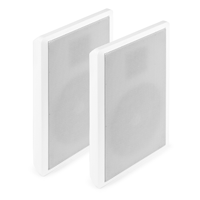 In stockPD WSF30W 100V 5.25" Flat Wall Speaker Pair - White£68.99
- Ultra-slim 42mm profile for minimal on-wall projection
- 100V line-ready for simple multi-speaker installations
- 2-way system: balanced audio with 5.25" woofer and 1" tweeter
- Durable ABS housing paired with sleek metal grille
- Classic white design blends into any commercial interior
In stockIn stock -
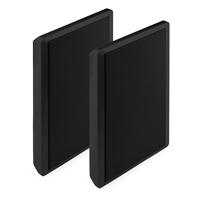 In stockPD WSF30B 100V 5.25" Flat Wall Speaker Pair - Black£68.99
- Ultra-slim 42mm profile provides discreet wall mounting
- 100V line operation ideal for scalable audio setups
- Easy screw-mounting system creates a flush picture-frame look
- Two-way design for clear speech and balanced music playback
- Durable ABS enclosure with metal grille ensures long-lasting performance
In stockIn stock -
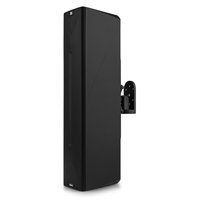 In stockPD PDCS403V 100V Wall Mount Column Speaker - 60W, Black£199.99
- Discreet, compact design ideal for varied installation spaces
- Balanced audio via four 3" woofers and 1" neodymium tweeter
- Multiple 100V tappings support versatile speaker arrangements
- Weather-resistant IP44 enclosure for sheltered outdoor use
- Flexible pan/tilt bracket for precise, straightforward mounting
In stockIn stock -
 In stockPD PDCS403V 100V Wall Mount Column Speaker - 60W, White£199.99
- Discreet slimline ABS housing blends easily into any decor
- Four 3-inch bass drivers and 1-inch neodymium dome tweeter
- Selectable 100V power taps: 3.75W, 6.25W, 12.5W, 25W, 50W
- Weather resistant (IP44) for flexible indoor and outdoor use
- Adjustable bracket with pan and tilt for precise installation
In stockIn stock -
 In stockPDW5B Passive 5" Installation Wall Mount Speaker - 100W Black£130.00
- 5.25-inch driver delivers balanced audio in a compact footprint
- 2-way bass-reflex with separate woofer and tweeter
- Flexible mounting bracket for horizontal or vertical install
- Plywood cabinet with metal grille for clear, natural sound
- NL4 and screw terminal connectivity suits varied setups
In stockIn stock -
 In stockPDW5W Passive 5" Installation Wall Mount Speaker - 100W White£129.95
- Wide-dispersion tweeter for balanced sound coverage
- Plywood cabinet provides natural, warm audio character
- Flexible horizontal or vertical wall mounting options
- NL4 and screw terminals suit varying installation needs
- Bass-reflex enclosure delivers strong low-frequency response
In stockIn stock -
 In stockPDW6W Passive 6.5" Installation Wall Mount Speaker - 150W White£149.99
- 6.5-inch two-way wall mount speaker for flexible placement
- Internal crossover filter for balanced, detailed audio delivery
- Plywood cabinet creates warm, accurate sound reproduction
- Suitable installation speaker for both music and speech
- Dual connectivity: NL4 and screw terminal wiring options
In stockIn stock -
 In stockPD PDCS403 Wall Mounted Column Speaker - Black - 260W£139.99
- Compact build with 4x 3" woofers and 1" neodymium tweeter
- Wide-angle sound dispersion suited to venue installations
- Discreet slimline housing blends with modern interiors
- Versatile mounting bracket included
- Screw-down Euro block connector ensures secure wiring
In stockIn stock -
 In stockPD PDCS403 Wall Mounted Column Speaker - White - 260W£139.99
- Offers 260W max output and clear sound for speech or music
- Four 3-inch bass drivers deliver depth across any environment
- 1-inch neodymium tweeter ensures clarity in all frequencies
- Durable ABS enclosure and slim, discreet wall-mount shape
- Quick-hang mounting bracket and secure screw terminal block
In stockIn stock -
 In stockPD PDCS403A Wall Mounted Active Column Speaker - White - 260W£269.99
- Compact column design for discreet wall mounting in modern venues
- Built-in 260W Class D amplifier removes need for external amp
- Balanced XLR/TRS input and XLR output for professional connections
- Four 3" bass drivers plus 1" neodymium tweeter for clear, balanced sound
- Selectable high-pass filter and wide-angle dispersion for flexible audio
In stockIn stock -
 In stockPD BD50TW Outdoor Wall Speaker 5” 30W IPX5 White£89.99
- Weather-resistant ABS housing and aluminium grille for outdoor use
- Certified IPX5 wall speaker for year-round reliability
- Selectable 70V/100V transformer and 8-ohm input for flexibility
- Adjustable mounting bracket for vertical or horizontal placement
- Dedicated bass radiator delivers improved low-end sound quality
In stockIn stock -
 In stockPD BD50TB Commercial Outdoor Speakers 5" 100V IPX5 Black£119.99
- Weatherproof IPX5 rating for reliable outdoor audio performance
- Rotary switch offers 70V, 100V, or 8 Ohm configuration flexibility
- 1" silk-dome tweeter and 5" polypropylene woofer for crisp, accurate sound
- UV-protected ABS housing with aluminium grille for durability
- Versatile installation, suitable for horizontal or vertical wall mounting
In stockIn stock -
 In stockAmate G7 Outdoor Wall Speakers Pair 6.5", 120W, Titanium£339.00
- Weatherproof ABS build with aluminium grille for outdoor durability
- 6.5" carbon fibre woofer ensures impactful low frequencies
- 1" titanium dome tweeter delivers defined and detailed highs
- Supplied aluminium bracket and M4 rigging points simplify installation
- Handles 120W programme power with balanced sound coverage
In stockIn stock -
 In stockAmate G7 Outdoor Wall Speakers 6.5" 120W Pair White£339.00
- Weather-resistant ABS enclosure with aluminium grille for durability
- 6.5" carbon fibre woofer and 1" titanium tweeter provide clarity
- Dual-mode operation: standard 16 Ohm or upgradeable to 100V line use
- 80 x 80-degree dispersion delivers even sound coverage in open areas
- Compact design with flexible mounting for adaptable installations
In stockIn stock -
 In stockAmate TF-100 100V Line Transformer for Ceiling Speaker Systems£29.58
- Accurate impedance matching delivers clear audio signals
- Purpose-built as a ceiling speaker transformer for easy integration
- Compact, lightweight form fits discreetly in ceiling spaces
- Consistent performance on standard 100V line transformer networks
- Supports reliable, distributed sound in multi-speaker installs
In stockIn stock -
 In stockPDW8W Passive 8" Wall Mount Speakers - White£220.00
- 8" woofer and 1" titanium tweeter deliver crisp, balanced audio
- Trapezoidal design supports flexible install or array mounting
- Supplied with robust metal wall mount for secure installation
- Passive crossover ensures precise sound separation
- Durable plywood cabinet with white textured paint finish
In stockIn stock -
 In stockPower Dynamics BD80TB In/Outdoor Commercial Wall Speaker - Black£209.99
- Weather-resistant construction ensures outdoor reliability
- Versatile mounting for flexible positioning on walls and posts
- Integrated 100V transformer supports commercial installations
- 8-inch woofer delivers detailed audio suitable for open areas
- UV-protected ABS housing maintains appearance over time
In stockIn stock -
 In stockPDW8B Passive 8" Wall Mount Speaker - Black£199.99
- 8" woofer in bass-reflex enclosure for clear full-range audio
- 1" titanium dome tweeter delivers precise high-frequency dispersion
- Plywood cabinet with black paint, built for lasting use and style
- Integrated passive crossover filter ensures accurate sound separation
- Supplied with metal wall mounting bracket for flexible installation
In stockIn stock -
 In stockPD PS65 6.5" 2-Way Commercial Ceiling Speaker with Backbox£58.00
- Versatile 2-way design delivers crisp audio and deep bass response
- Bass-reflex back enclosure improves low-frequency clarity and output
- Front rotary tap selector for flexible 100V or low-impedance use
- Subtle fit with removable magnetic grille and flush-mount design
- Fast Fix lock system simplifies and secures ceiling installation
In stockIn stock -
 In stockPDW6B Passive 6.5" Installation Wall Mount Speaker - 150W Black£149.99
- 6.5" wall mount speaker with discreet, compact plywood cabinet
- Wide 80 x 60-degree sound coverage via 2.75" dispersion tweeter
- Passive speaker design for amplifier compatibility and system flexibility
- Secure horizontal or vertical installation using supplied bracket
- NL4 and screw terminal connections for easy professional setup
Pre-OrderPre-Order -
 In stockPower Dynamics BD80TW In/Outdoor Commercial Wall Speaker - White£150.00
- Weatherproof ABS enclosure for reliable outdoor performance
- 8-inch woofer and 1.1-inch tweeter deliver clear, balanced sound
- Adjustable bracket for flexible wall mounting options
- High power handling suitable for commercial installations
- 70V/100V line and 8 Ohm input for versatile system integration
Pre-OrderPre-Order -