

Alustage Heavy Duty
Alustage Heavy Duty Trussing delivers a modular aluminium framework built to carry sizeable suspended loads in touring, corporate, broadcast, and installed environments.Read More
-
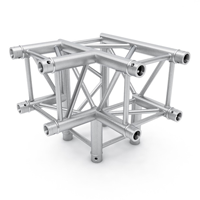 In stockAlustage 500mm Square Truss 3 Way Corner Quad Truss 48x3mm Tubes£280.00
- 48x3mm aluminium tubes for solid support and dependability
- 3-way corner quad truss layout enhances design versatility
- Spigot and pin connections for efficient assembly and breakdown
- Compatible with leading stage trussing systems and accessories
- Certified to ISO DIN 4113 and TUV for assurance of quality
In stockIn stock -
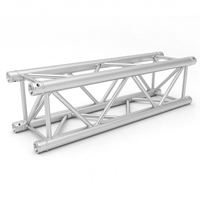 In stockAlustage Square Truss 0.71m Quad Truss Straight Section 48x3mm Tubes£130.00
- Constructed from EN AW-6082 T6 aluminium for lasting reliability
- Compatible with Prolyte H30 truss sections and connectors
- Versatile 0.71m length ideal for custom rigging setups
- High-precision spigot and pin connections for fast assembly
- ISO DIN 4113 and TUV certified for build quality assurance
In stockIn stock -
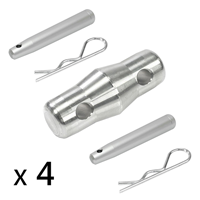 In stockAlustage Truss Connectors Set for ALC43 Quad Truss x 4£35.99
- Complete connector set designed for square quad truss sections
- Compatible with Alustage ALC43 and ALC34 quad truss systems
- Includes conical adaptors, locator pins, and steel safety clips
- Simple, reliable assembly with secure mechanical stability
- Ideal for professional trussing applications and structures
In stockIn stock -
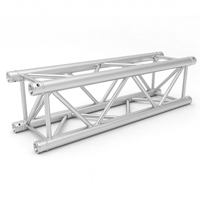 In stockAlustage 2000mm Square Truss 2m Straight Section 48x3mm Tubes£269.99
- Made from aluminium EN AW-6082 T6 for added durability
- Features trussing with 48x3mm diameter main tubes
- 2 metre length, with 287mm width and depth for versatile applications
- Compatible with Alustage SZ04.04 Spigot and Pin Connection
- Meets ISO DIN 4113 and TUV standards for quality assurance
In stockIn stock -
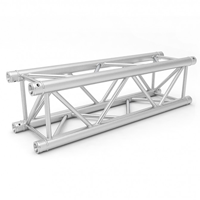 In stockAlustage 500mm Square Truss 0.5 metre Straight Section 48x3mm Tubes£119.99
- 500mm length quad truss with 48x3mm main tubing for stage setups
- 16x2mm braces for increased structural assurance
- Compatible with Alustage SZ04.04 spigot and pin connection system
- ISO DIN 4113 and TUV certified for reliable build quality
- Ideal for stage roofs, LED screens, exhibitions, and lighting rigs
In stockIn stock -
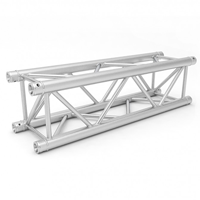 In stockAlustage 1 metre Quad Truss Straight Section 48x3mm Tubes£175.00
- 1-metre quad truss section crafted from EN AW-6082 T6 aluminium
- 48mm diameter tubes with 3mm thick walls for structural strength
- Reliable spigot & pin system ensures quick, secure trussing assembly
- Compatible with Prolyte H30 and designed for seamless integration
- Ideal for stage roofs, exhibition stands, lighting gantries, and displays
In stockIn stock -
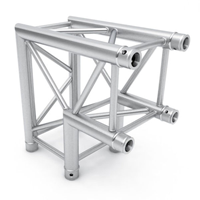 In stockAlustage 500mm Square Truss 2 Way Corner Quad Truss 48x3mm Tubes£184.99
- 48x3mm aluminium tubes deliver strength for staging structures
- Spigot and Pin connection system ensures secure truss joining
- 500mm square configuration ideal for quad truss builds
- Certified to ISO DIN 4113 and TUV inspection standards
- Compatible with Prolyte H30 for expanded trussing setups
In stockIn stock -
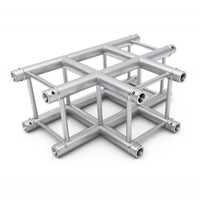 In stockAlustage 500mm Square Truss 3 Way Tee Section Quad Truss 48x3mm Tubes£259.99
- Heavy-duty quad truss design with 48x3mm aluminium tubes
- Compatible spigot and pin system for quick secure assembly
- Certified engineering with ISO DIN 4113 and TUV standards
- Versatile 3-way tee section, ideal for complex trussing layouts
- Supports staging, lighting, screens, and exhibition structures
In stockIn stock -
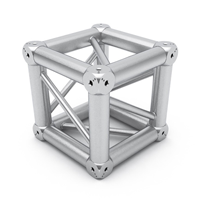 In stockAlustage Square Truss 6 Way Corner Connectors Quad Truss Adaptor£419.99
- Universal fit for all leading square truss systems on the market
- Special six directional corner for multiple angle configurations
- Engineered from EN AW-6082 T6 grade aluminium for strength
- Intuitive modular design supports up to six truss segments
- Textured castellated finish delivers secure anti-slip clamp grip
In stockIn stock -