Video Wall Truss

Large-scale visuals have become a focal point at concerts, product launches, sport screenings, and corporate showcases.Read More
Showing 1-4 of 4
Filter a Filter
per page
Set Ascending Direction
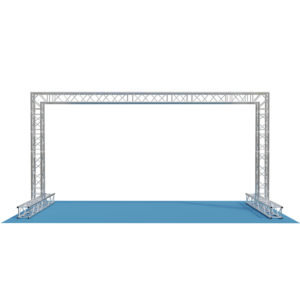
  1. BeamZ 4m x 3m Aluminium Truss Structure Support for Video Wall
    In stock
    £3,149.99
    BeamZ 4m x 3m Aluminium Truss Structure Support for Video Wall
    • Purpose-built for supporting large-scale LED or TV video walls securely
    • Heavy-duty aluminium truss with 3mm wall thickness for added strength
    • Stable pontoon base prevents tilting and leaning of video wall displays
    • Complete package with all essential truss connectors and spigots
    • Designed for both permanent setups or temporary event truss structures
    In stock
    £3,149.99

    Free delivery and weekend delivery available

    More Info
    In stock
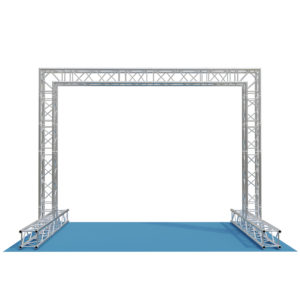
  2. BeamZ 6m x 3m Aluminium Truss Structure Support for Video Wall
    In stock
    £3,469.99
    BeamZ 6m x 3m Aluminium Truss Structure Support for Video Wall
    • Purpose-built 6m x 3m aluminium truss structure for video walls
    • Reliable support for indoor and outdoor installations
    • Quick assembly with conical spigot and pin connections
    • Sturdy pontoon footings to minimise tilt or movement
    • Compatible with a wide range of video wall dimensions
    In stock
    £3,469.99

    Free delivery and weekend delivery available

    More Info
    In stock
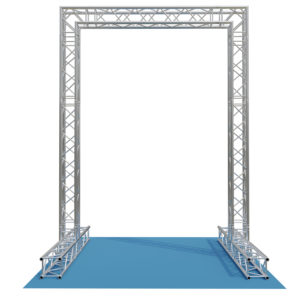
  3. BeamZ 8m x 4m Aluminium Truss Structure Support for Video Wall
    In stock
    £4,219.99
    BeamZ 8m x 4m Aluminium Truss Structure Support for Video Wall
    • Support structure for LED displays up to 8m x 4m in size
    • Designed with heavy-duty aluminium truss for optimal stability
    • Pontoon footings ensure a stable and balanced installation
    • Quick assembly using spigots and conical connectors included
    • All-in-one package includes every component needed for setup
    In stock
    £4,219.99

    Free delivery and weekend delivery available

    More Info
    In stock
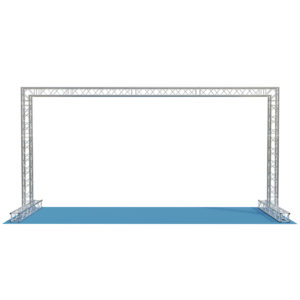
  4. BeamZ 3m x 4m Aluminium Truss Structure Support for Video Wall
    In stock
    £3,449.99
    BeamZ 3m x 4m Aluminium Truss Structure Support for Video Wall
    • Strong aluminium truss frame designed for secure video wall installations
    • Stable video wall structure supports indoor and outdoor displays
    • Simple assembly with spigots and pins, no specialist tools required
    • Wide pontoon base prevents tilting or unwanted movement
    • All necessary truss components and connectors included in one kit
    In stock
    £3,449.99

    Free delivery and weekend delivery available

    More Info
    In stock
Showing 1-4 of 4
Filter a Filter
per page
Set Ascending Direction
Chat
Email
Call

Video Wall Truss Support for Modern LED Displays

Large-scale visuals have become a focal point at concerts, product launches, sport screenings, and corporate showcases. Keeping those displays steady and perfectly aligned calls for a dedicated Video Wall Truss rather than a general purpose framework. Purpose-built assemblies hold the weight of modular LED tiles, control cabling, and power feeds while allowing crew members quick access for maintenance or pixel checks.

The latest LED wall frames combine modular build methods with tried-and-tested connection hardware. Sections lock together in minutes, forming free-standing rectangles, overhead spans or archways, whatever the design brief demands. Once in place, brackets clamp directly to the panel chassis, keeping seams tight for a seamless picture.

Why a Dedicated LED Screen Truss Matters

LED panels differ from traditional projection surfaces. They weigh more for their size, generate heat, and usually rely on front-access or rear-access service points. A LED screen truss therefore needs:

  • Higher point-load capacity across short spans.
  • Mounting rails that accept industry standard hanging bars and ground support feet.
  • Built-in routes for signal and mains cabling, preventing sharp bends or pinch points.
  • Rigging positions for chain hoists or motorised lifts when flown installation is required.

LED Wall Frames Common Framework Formats

Designers rarely settle on a single layout. Each event space presents its own height limits, sightlines, and floor loading figures. Below are the most used layouts for LED wall truss projects, listed in no set order to reflect their varied adoption:

Free-Standing Rectangular Frames

Ground-based rectangles suit outdoor screenings and touring kits. Weight transfers directly to the base plates, often with ballast blocks hidden behind branding panels.

Arch or Goalpost Assemblies

Two uprights and a horizontal beam form a simple U-shape. The display can sit under the cross-member or suspend midway. Quick to erect and easy to transport.

Suspended Spans

Where ceiling height allows, a span can be flown on motors. Floor space remains clear, and the screen can trim high for audience sightlines. Crew must review roof capacities before sign-off.

LED Wall Truss Key Planning Points

  • Screen weight and size. Not just the panel mass, factor in brackets, processors, and any scenic trim.
  • Wind and weather. Outdoor builds need calculations for gusts, rain run-off, and temperature swings.
  • Assembly time. Touring crews might have a two-hour window; permanent venues can take longer yet still value tidy cable routing.
  • Regulatory standards. Temporary event builds in the UK follow specific guidance such as CDM regulations and local authority sign-off. Engineering notes should be kept on site.
  • Access for service. Dead pixels appear; power supplies fail. Ensure space behind or in front for swift swap-outs.

Core Features of Truss LED Screen Frames

  • Quick-release couplers for rapid addition or removal of segments.
  • T-slots or captive tracks for neat signal-lead dressing.
  • Optional adjustable feet, keeping lines true on uneven ground.
  • Corrosion-resistant finishes for outdoor show seasons.
  • Pre-drilled plates allowing dowel pins or bolts to locate mounting bars without drift.

Selecting a truss LED screen solution is rarely about one feature alone. Engineers weigh up the whole list and then cross-check against transport limits, crew numbers, and budgetary constraints.

Routine Checks and Maintenance

A written logbook reduces guesswork. Before each use, competent personnel should:

  • Verify every fastener for tightness and correct torque.
  • Inspect weld seams for hairline cracking or deformation.
  • Check hoist chains and safety steels for wear or missing tags.
  • Ensure ground anchors or ballast remain in position after strong winds.

Minor issues fixed early prevent larger failures. A replacement pin costs little; a collapsed screen costs a show.

Frequently Asked Questions

How much weight can a typical video wall truss carry?

Load ratings vary by profile size, span, and support method. As a rough guide, mid-sized frames designed for a 5 x 3 panel wall often take 600-900 kg, including ancillary cabling. Engineers should always confirm figures case by case.

Is extra ballast needed for outdoor use?

In most cases, yes. Ballast blocks, ground anchors, or screw piles resist uplift and overturning caused by wind. The amount depends on site wind data, wall area, and frame geometry.

Can one framework support different screen brands?

Adjustable brackets accommodate a range of panel heights and locking mechanisms. When swapping to a new panel series, check bracket spacing and pin diameter before rigging day.

How long does a full inspection take?

A visual check plus fastener torque test on a medium-sized frame generally takes under an hour. In-depth examinations, including non-destructive weld testing, occur annually or after heavy impact.

What finish suits a permanent indoor installation?

Black powder coat remains popular for corporate halls and theatres, hiding reflections and matching staging. White or venue-specific RAL shades are also available, though lead times may lengthen.