

 2 Years Warranty
 60 Day Returns
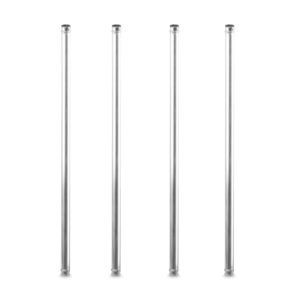
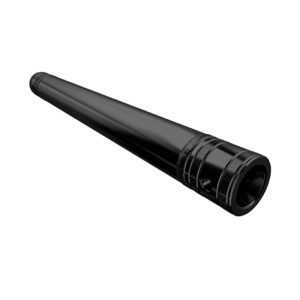
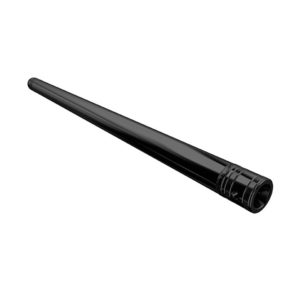
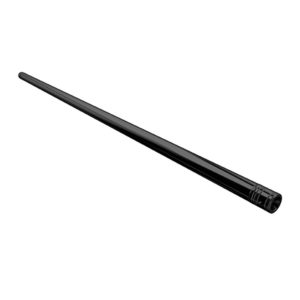
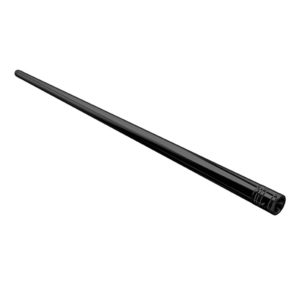
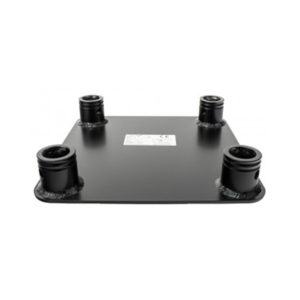
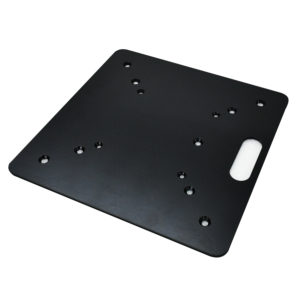
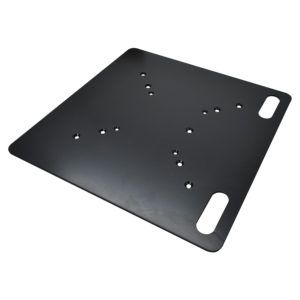
Quad Truss
Aluminium quad truss is a four-tube square trussing system that offers clear spans of up to 18m. Quad truss will generally offer a higher load capacity than ladder or triangle truss system, also the square design eliminates the problem of apex orientation associated with tri systems.
Here at Stage Concepts, we have multiple variations of quad truss available, the three main systems of choice are our Deco Lightweight, SC Pro ST and Alustage ALC34. Each system offers its own unique benefits, the system we would recommend will depend on your requirements and specifications.
Lightweight Deco Truss
The smallest of our quad truss system, our deco truss offers a 220mm square with 35mm main tubes, 8mm braces with a 1.5mm wall thickness. Small and lightweight yet still extremely durable and strong. The deco truss provides 10m clear spans with up to 219.5kg of uniformly distributed load per meter.
Due to its lightweight design, the deco truss system is an ideal solution for trade show and exhibition stands as well stage systems. The 220mm square design allows for easy transport and storage, while being our most cost-effective truss solution, generally more economical than tri truss systems.
SC Pro ST Quad Truss
SC Pro ST Square truss is manufactured here in the UK, and therefore of the highest quality. With a castellated 48mm tube and 1.6mm wall thickness, the SC pro TT will allow for a clear span of up to 12m.
SC Pro ST is our trussing system of choice for custom and bespoke projects. Being manufactured in the UK allows for a quick turnaround, especially on custom projects. We can design and fabricate any size or shape of structure and generally supply within two weeks. Options such as powder coating with a variety of finishes are also available upon request.
Alustage ALC34
Alustage ALC34 quad truss is our heaviest off the shelf system. The system 290c is a 287mm square truss constructed of a main tube of 48x3mm with 16x2mm braces and SZ04.04 connections. The heavy-duty design allows for clear spans of 18m with a uniformly distributed load of up to 903.8kg per meter.
The ALC34 is an attractive yet highly durable system that is an ideal solution for stage roofs, trade fair structures, exposition structures, big screen structures, LED display screen and projection screen support frames, lighting “gates” and sound “gates”, as well as frameworks for advertising banners or stage decorations.
Frequently Asked...What is quad truss?
Quad truss is a four-tube square system, ideal for many different functions. It is the strongest and largest type of truss, and therefore can take a heavy weight load, while offering a clear span of up to 18m. It is ideal for larger builds and stage and theatre work. Its square design also eliminates any apex or orientation issues.
Quad truss (also referred to as box truss or square truss) is our most popular truss system due to its increased strength and loading capabilities over the other types of truss. It's 4 pole construction provides considerable surface area for attaching clamps for lighting and other display equipment.
What is quad truss used for?
Quad truss has a strong design, and an impressive clear span, making it perfect for stage and theatre work. It is also ideal for; exhibition stands, lighting rigs, fashion catwalk frameworks, and temporary structures such as festival stage roofing systems and stage lighting rigs. We offer a variety of quad truss systems to meet any requirements.
What types of quad truss are available?
There are several types of quad truss available, and we have handpicked a selection for their high-quality and versatility. The main choices we offer are Deco Lightweight, SC Pro ST and Alustage ALC34. Each type has its own unique benefits. For instance, our Deco lightweight is small and portable, making it perfect for exhibitions. While our SC Pro ST range can be custom made to any shape/ size, and our Alustage ALC34 range is very heavy duty, with a clear span of 18m. Please contact our team at Stage Concepts to discuss the best system for your needs.
What weight load can quad truss take?
Quad truss is the strongest type of truss and can take a heavy weight load. Therefore it can easily support an extensive number of lighting fixtures, and visual displays. The exact weight load will vary depending on the system in use. Please contact our expert team at Stage Concepts for accurate span and load information.
What sizes is quad truss available in?
Quad truss is available in a variety of sizes to suit all settings, and can allow for a span of up to 18m. Our ranges of quad truss are provided in straight sections from 0.5m to 4m, and our Milos range goes up to 5m. Additionally, our SC Pro ST range is manufactured in the UK, and any size or shape can be custom designed to suit your exact specifications. Our team at Stage Concepts would be happy to discuss your requirements and advise on the best size.
How is quad truss installed?
Installation of a quad truss system should be carried out by skilled and experienced specialists. It is important to consider; the selection of fittings, the total weight load needed, and the material to which the truss will fit and whether it is load rated. Safety factors also need to be considered. Please contact our experienced team at Stage Concepts who will be able to help with your installation queries.
What can i use quad truss for?
Quad truss is the main style of truss used in professional exhibition stands, stage roof systems, architectural lighting displays and temporary bay structures for motorsport events. It can be found in gallery and museum exhibits, as marathon race gantries and in theatre lighting.
Can quad truss take heavy lighting safely?
Quad truss is extremely strong and has an excellent loading capacity across a span. As an example, a 4m length could support a single central load of 1100kg if required, or, that can be 4x 580kg set out at equal intervals. Specific loading specifications for quad-truss systems are calculated per job to ensure safe use.